


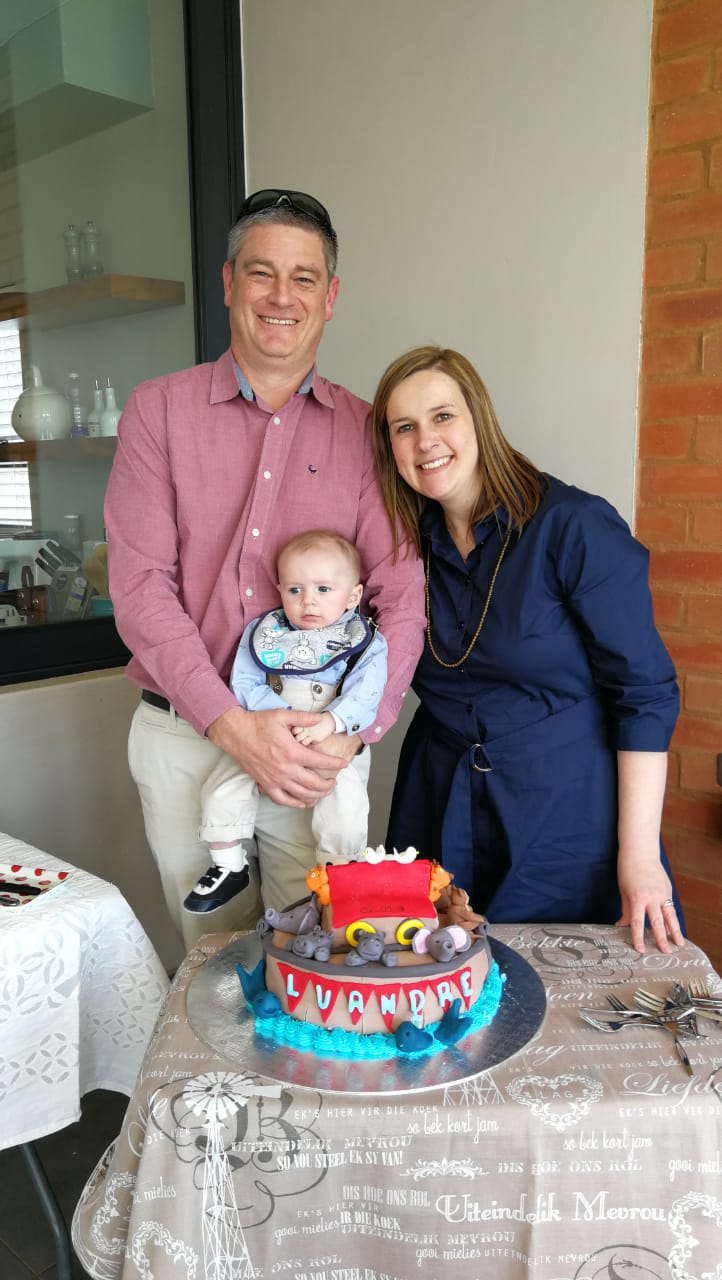
"It has been a long road but I always felt comforted and supported by my husband, friends / family but especially by Dr Moodley as well, she always goes the extra mile for her patients.
I am grateful to God for being able to be a ‘Mom’ today and for the specific people he sent along my journey."
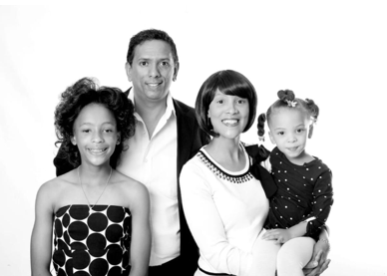
"Our sincerest gratitude and appreciation to you Dr Avril Moodley, I have truly enjoyed my pregnancy under your guiding hand. Your caring and comforting nature has made the process so beautiful. Always ready with advice and ensuring I knew what would lay ahead, was a summary update at the end of all sessions. I was made aware of the possibility of having a caesarian section and even after birth you came in for a brief visit to make sure I was doing well, exceptional care I am forever grateful for."
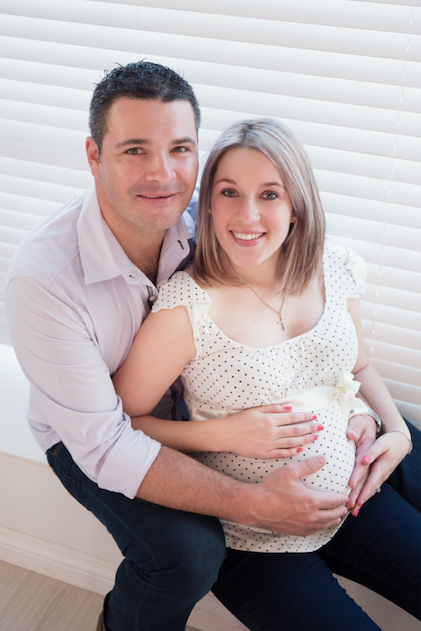
"Dr Moodley is an incredible doctor with a passion for her job like none other. I went to her in an emergency early in my pregnancy and after the emergency visit I was so amazed by the amount of care she showed towards me. She checked and explained everything about my baby to me which calmed me right down. I was so impressed that I made my next check up with her to see if that is how she does all her consultations and she once again exceeded my expectations and treated us with such care and respect and made the journey as first time parents one we would never forget."